
Introduction
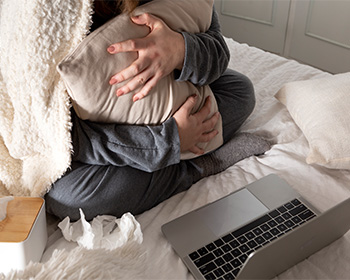
Seasonal depression (Seasonal Affective Disorder یا SAD) It is a type of depression disorder that is related to the changes of the seasons. This type of depression usually occurs in the autumn and winter seasons, and it intensifies with the decrease of sunlight and the length of the days.. Seasonal depression can have significant effects on a person's mood and daily performance, but by knowing its causes and symptoms and adopting appropriate strategies, this disorder can be managed and treated..
Symptoms of seasonal depression
Seasonal depression has similar symptoms to major depression, but these symptoms occur or worsen at certain times of the year.. Some of the most common symptoms include the following:
- Feeling sad and sad all the time: People with seasonal depression usually experience constant feelings of sadness, hopelessness, and sadness.
- Decreased energy and fatigue: These people may feel extremely tired and have low energy, even if they have had enough sleep.
- Increased need for sleep: The need to sleep more than usual and difficulty waking up in the morning are other symptoms of this disorder.
- Weight gain and appetite: Some people tend to eat high-calorie and sweet foods during this period, which may lead to weight gain.
- Decreased interest in daily activities: The person may stop doing activities that they used to enjoy or have no motivation to do them..
- Poor concentration and memory: Problems with concentration and memory are also common symptoms of seasonal depression.
- Seclusion and isolation: The tendency to stay away from society and social interactions is also one of the characteristics of this disorder.
Causes of seasonal depression
Seasonal depression is mainly attributed to the reduction of sunlight in autumn and winter months. This reduction in light can lead to chemical changes in the brain that affect the levels of mood-regulating hormones.:
- Decreased serotonin production: Sunlight helps produce serotonin, a neurotransmitter that promotes feelings of happiness and relaxation.. A decrease in sunlight can lead to a decrease in serotonin levels and, as a result, depression symptoms.
- Increased production of melatonin: More darkness in the winter months leads to an increase in the production of melatonin, which causes a feeling of sleepiness and a decrease in energy..
- Changes in the body's biological clock: The body's biological clock or circadian rhythm is regulated by changes in light and darkness. Reduced sunlight can disrupt the body's biological clock and affect sleep patterns, mood, and energy levels.
Diagnosis of seasonal depression
Diagnosis of seasonal depression is usually based on the history of symptoms and their temporal pattern. Your doctor may ask you about when your symptoms started, how severe they are, and how they affect your daily life. For a more accurate diagnosis, psychological evaluations or blood tests may be done to check physical conditions.
Ways to treat seasonal depression
Treatment for seasonal depression includes a combination of different methods that can help reduce symptoms and improve quality of life. Some of the most common treatment methods are::
1. light therapy
Light therapy or phototherapy is one of the most effective methods of treating seasonal depression. In this method, the person daily for the duration 30 until 45 Minutes exposed to strong light (usually 10,000 luxury) is placed. This artificial light helps regulate the body's biological clock and increase serotonin levels. It is better to perform light therapy in the morning to have a greater effect on regulating the circadian rhythm.
2. drug therapy
In some cases, doctors may prescribe antidepressants such as SSRIs (Serotonin reuptake inhibitors) prescribe. These drugs help increase serotonin levels in the brain and can help reduce symptoms of seasonal depression. Medication is usually used in more severe cases of seasonal depression or when other treatments are not enough..
3. psychotherapy
Psychotherapy, especially cognitive behavioral therapy (CBT), can help people with seasonal depression identify and change negative thought patterns. This type of therapy helps a person learn strategies to cope with stress and manage symptoms. Psychotherapy is usually used as an adjunct to light therapy and drug therapy.
4. Lifestyle changes
A healthy lifestyle can play an important role in managing seasonal depression. Some helpful tips include::
- Exposure to sunlight: Try to get as much natural sunlight as possible every day, even on cloudy days. Walking outdoors or doing outdoor activities can help improve your mood.
- Regular physical activity: Regular exercise, especially aerobic activities such as running, swimming or cycling, can help boost energy levels and improve mood..
- Balanced diet: Eating a healthy, balanced diet, especially fruits, vegetables, and whole grains, can help improve your physical and mental health..
- regular sleep: Having a regular and sufficient sleep pattern can help regulate the body's biological clock and reduce the symptoms of seasonal depression.
5. Vitamin D supplements
Since less sunlight in the winter months can lower vitamin D levels in the body, taking vitamin D supplements may be helpful.. Some research has shown that vitamin D can help reduce symptoms of seasonal depression, although this has not yet been fully proven..
Prevention of seasonal depression
Preventing seasonal depression can be challenging, but you can reduce your risk by taking some steps:
- Early initiation of treatment: If you've already experienced seasonal depression, try treatments such as light therapy when fall begins or before symptoms appear..
- Maintaining social activity: During the cold and dark months, try to maintain your social activities and stay in touch with friends and family.
- Adjusting the living environment: Keep your living environment as bright and bright as possible. Using bright lamps and drawing curtains to let in natural light can be helpful.
- Planning a vacation: Planning a vacation in a warm, sunny area can help improve your mood.
conclusion
Seasonal depression is a serious disorder that can have significant effects on a person's life, but by knowing its symptoms and causes and adopting appropriate treatment strategies, this disorder can be managed.. Light therapy, drug therapy, psychotherapy and lifestyle changes are among the effective methods in treating seasonal depression. By taking these measures and maintaining a healthy lifestyle, you can minimize the negative effects of this disorder and enjoy the cold seasons in the best possible way..