
Introduction
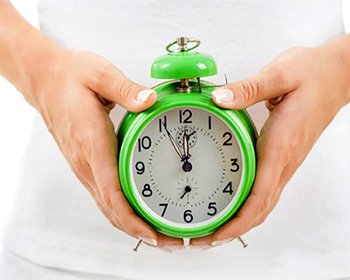
The biological clock of the human body, also known as circadian rhythm or biological clock, is an internal system in the body that regulates various physiological and behavioral activities based on circadian cycles. 24 Adjusts hourly. This clock plays a vital role in regulating sleep, wakefulness, temperature, hormones and other body processes. Knowing how this clock works and its effect on human health can help improve the quality of life and prevent some diseases..
What is the biological clock?
The biological clock is an internal regulatory system that operates at the cellular and molecular level and helps the body respond to environmental changes, particularly the daily light and dark cycle.. This clock is controlled by a set of genes and proteins that communicate with each other simultaneously and the rhythm 24 They maintain the clock in the body.
Mechanism of action of the biological clock
1. Suprachiasmatic nucleus (SCN)
Suprachiasmatic nucleus (SCN) Located in the hypothalamus of the brain, it is known as the main body clock. This part of the brain processes light signals received from the retina and sends information about the brightness and darkness of the environment to different body systems.. This information helps to regulate the circadian rhythms in the body.
2. The effect of light on the biological clock
Light, especially sunlight, plays an important role in regulating the biological clock. When light shines on the retina, signals are sent to the SCN and production of the hormone melatonin, which is essential for sleep regulation, is reduced.. In contrast, in the dark of night, melatonin production increases and signals the body that it is time to sleep..
3. The role of genes and proteins
The function of the body's biological clock is strongly influenced by a series of specific genes and proteins. These genes and proteins operate in different cells and tissues of the body and regulate biological processes based on the circadian cycle.. For example, genes “Clock” and “Bmal1” They play a key role in regulating circadian rhythms.
The effect of the biological clock on the body
1. Regulate sleep and wakefulness
One of the main tasks of the biological clock is to regulate the sleep and wake cycle. This clock helps the body prepare for sleep at night and be awake and alert during the day. Any malfunction of this clock can lead to sleep problems such as insomnia or sleepiness during the day.
2. Body temperature regulation
Body temperature is also influenced by the biological clock. Body temperature varies during the day and usually decreases at night and increases in the morning. These changes help regulate sleep and wakefulness.
3. Regulation of hormones
The biological clock affects the production and secretion of different hormones in the body. For example, the production of the stress hormone cortisol increases in the morning to prepare the body for the day's activities. In contrast, the production of the hormone melatonin increases at night to initiate sleep.
4. Metabolism and digestion
The functioning of the digestive system and the body's metabolism are also coordinated with the circadian rhythm. The biological clock affects optimal times for eating and metabolic processes. Disturbances in these rhythms may lead to metabolic problems such as diabetes and obesity.
Factors affecting the biological clock
1. Optical changes
Changes in the amount of ambient light, such as working night shifts or traveling to regions with large time differences, can disrupt the biological clock.. These changes can lead to sleep disorders, fatigue and decreased daily performance.
2. lifestyle
Lifestyle, including sleep patterns, diet and physical activity levels, can affect the functioning of the biological clock. For example, waking up at night or eating heavy food late at night can disrupt the body's circadian rhythm..
3. age
With age, the function of the biological clock changes. Older people may fall asleep earlier and wake up earlier, and they may not sleep as deeply. These changes usually occur due to a decrease in melatonin production at night and a decrease in SCN sensitivity to light.
Disorders related to the biological clock
1. Sleep phase delay disorder (DSPD)
This disorder occurs when the body's biological clock is delayed and the person falls asleep and wakes up later than usual.. This condition is usually common in teenagers and can lead to problems such as insomnia and daily fatigue.
2. Disturbances caused by shift work
People who work night shifts may have sleep problems due to the lack of coordination between their biological clock and their work clock.. This disorder can lead to reduced sleep quality, fatigue and mental and physical health problems.
3. Disorders caused by jet lag
Jet lag occurs when a person travels quickly from one time zone to another and the body's biological clock is not synchronized with the new time.. This disorder can lead to sleep problems, fatigue and reduced cognitive function.
Methods of adjusting and improving the biological clock
1. Exposure to natural light
One of the best ways to adjust your biological clock is to be exposed to natural light during the day. This work especially in the morning helps the body to adjust its circadian rhythm.
2. Adjusting the sleep pattern
Having a regular sleep pattern can help regulate the biological clock. Try to go to bed and wake up at the same time every day, even on holidays.
3. Avoid blue light at night
Blue light emitted from electronic devices such as smartphones and computers can disrupt melatonin production and delay sleep.. It is better to avoid using these devices at bedtime or use blue light filters.
4. Stress management
Stress can disrupt the body's biological clock. Relaxation exercises such as meditation, yoga, and deep breathing can help reduce stress and improve sleep quality..
conclusion
The biological clock of the human body is a complex and vital system that has a great impact on physical and mental health. Correct setting of this clock helps maintain balance in sleep, wakefulness, body temperature, hormones and many other body processes.. By better understanding how this clock works and adopting appropriate strategies, we can improve our quality of life and prevent disorders related to it..